 Retatrutide-Peptide.biz
 Written by Eric J. Topol, MD
 Reviewed by Fatima Cody Stanford, MD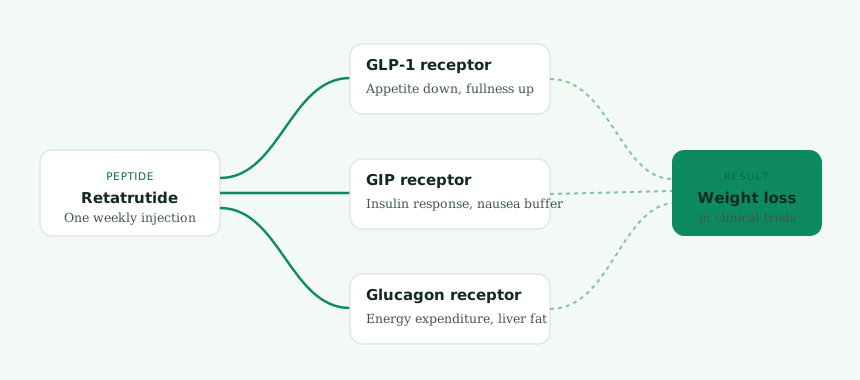
Understanding the possible side effects of retatrutide matters before anyone considers this experimental peptide for weight management. Retatrutide is a triple-hormone receptor agonist (acting on GLP-1, GIP, and glucagon pathways) that is still being studied in clinical trials and is not approved by the FDA. Any retatrutide formulation offered in the U.S. at present is a compounded product available only through healthcare providers and used outside the standard approval framework. Because the supporting data remain preliminary, the side effect information presented here comes from what has been observed in this drug class and in published trial summaries, not a definitive safety profile. Nothing here is medical advice; speak with a licensed healthcare professional about your individual situation.
Quick safety snapshot
- Most reported effects are gastrointestinal and are usually mild to moderate in severity.
- Unwanted effects often appear early and frequently ease as the body adjusts.
- Gradual, stepwise dose increases are the main strategy for reducing tolerance-related issues.
- Because retatrutide is experimental and compounded, medical supervision is essential.
The most commonly reported retatrutide side effects
In trials of incretin-based weight-loss drugs, gastrointestinal complaints are at the top of the list. The same pattern shows up in early reports of retatrutide peptide adverse events. These reactions mainly happen because the drug slows gastric emptying and affects gut and brain signals that regulate hunger and fullness. When food passes through the digestive tract more slowly, nausea and changes in bowel habits can occur, especially in the first few weeks or after a dose increase.
Gastrointestinal symptoms: nausea, loose stools, constipation, vomiting
Nausea is the most frequently reported effect. Some people also experience retatrutide-induced diarrhea, while others have the opposite problem—constipation; vomiting is less common but possible, especially if the dose is raised too quickly. Eating smaller portions, stopping meals before feeling overly full, staying adequately hydrated, and avoiding fatty or heavy foods are often recommended comfort measures. In clinical trials, severe or persistent diarrhea and vomiting were recorded as adverse events, with dehydration as the main concern.
Fatigue, headaches, and heart rate
People sometimes ask, does retatrutide cause fatigue? Tiredness and exhaustion have been reported, possibly due to lower food intake, reduced calorie availability, insufficient fluids, or the body adjusting to rapid changes. A retatrutide-induced headache may also stem from similar factors, such as dehydration. As with other drugs in this class, a slight increase in resting heart rate has been observed; those with heart conditions should discuss the cardiovascular side effects of retatrutide with their doctor before starting and should have their vital signs monitored.
Side effects of retatrutide at a glance
The table below groups reported effects according to how often they tend to occur within the drug class. Frequencies are estimates based on class-level and early trial data, not a fixed retatrutide package insert.
| Common (often mild, early) | Occasional / requires medical attention |
|---|---|
| Nausea | Persistent vomiting or dehydration |
| Diarrhea or constipation | Severe abdominal pain (possible pancreatic inflammation) |
| Reduced appetite, early fullness | Gallbladder problems (pain, jaundice) |
| Fatigue or tiredness | Signs of low blood sugar (when used with other diabetes treatments) |
| Headache | Elevated or irregular heartbeat |
| Injection-site reactions | Allergic reaction (skin rash, swelling, difficulty breathing) |
| Mild heart-rate increase | Throat lump, hoarse voice, trouble swallowing |
This list is not complete.
Common questions about retatrutide peptide side effects
Does retatrutide play a role in hair loss?
Some people observe thinning hair, which raises the question of whether retatrutide causes hair loss. The hair loss reported with retatrutide is generally linked to telogen effluvium a temporary shedding triggered by stress that can occur alongside fast weight loss or a marked drop in calorie and nutrient intake, instead of a direct damaging effect on hair follicles. It typically resolves on its own. Getting enough protein, iron, and overall nutrition, plus pursuing a slower pace of weight change, may help. If shedding is intense or continues, speak with a healthcare provider to look into other causes.
Does retatrutide lead to muscle loss?
Any substantial weight loss can reduce lean mass along with fat, so the concern behind 'does retatrutide cause muscle loss' is reasonable. The answers are the usual ones: sufficient protein intake and consistent strength training to help preserve muscle and promote a healthier body composition. You can read more about typical results and the changes people track over time.
Retatrutide side effects and cancer: what animal data really shows
Questions about retatrutide side effects cancer usually stem from the thyroid C-cell signal observed with GLP-1-based medications. In rodent studies, certain drugs within this wider category produced thyroid C-cell tumors; whether this carries over to humans is unconfirmed. This is a class-level warning based on animal findings, not evidence that retatrutide causes cancer in humans. As a safety precaution, this history is why medullary thyroid carcinoma and MEN2 are regarded as contraindications for these agents (see contraindications below).
Retatrutide and alcohol
No well-established, retatrutide-specific interaction study with alcohol is available, but taking retatrutide together with alcohol can intensify nausea, stomach upset, and dehydration, and alcohol adds empty calories that work against your goals. Heavy drinking may also raise pancreatitis risk. Moderating intake, or steering clear of alcohol during the adjustment period, is a sensible step to
Sources & references
Factual claims on this page are checked against the primary literature, trial registries, and regulators cited below. See our editorial policy for information on how we source and assess content.
- Jastreboff AM et al. Triple-Hormone-Receptor Agonist Retatrutide for Obesity: A Phase 2 Trial. New England Journal of Medicine 2023;389:514-526. View source
- The same phase 2 trial record on PubMed (PMID 37366315). View source
- US FDA MedWatch: reporting serious issues and suspected side effects. View source
- ClinicalTrials.gov: TRIUMPH-1 (NCT05929066), phase 3 retatrutide trial in obesity or overweight. View source